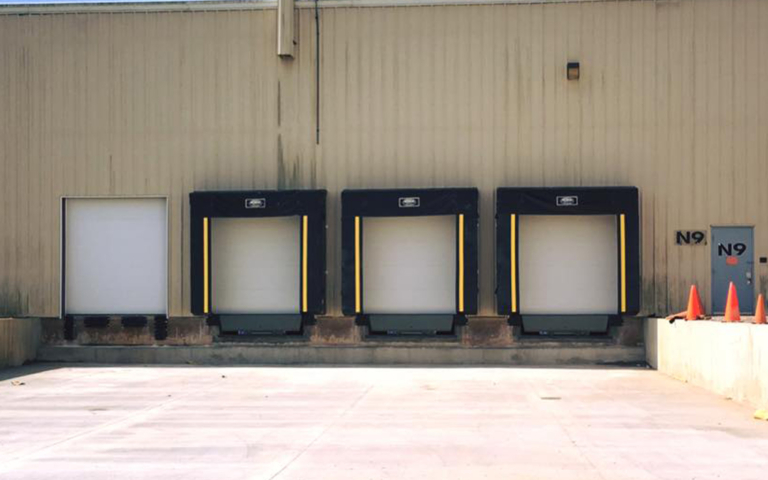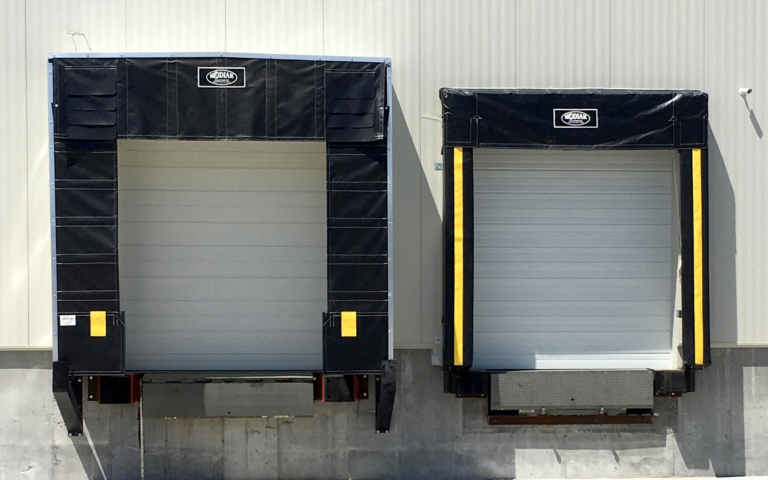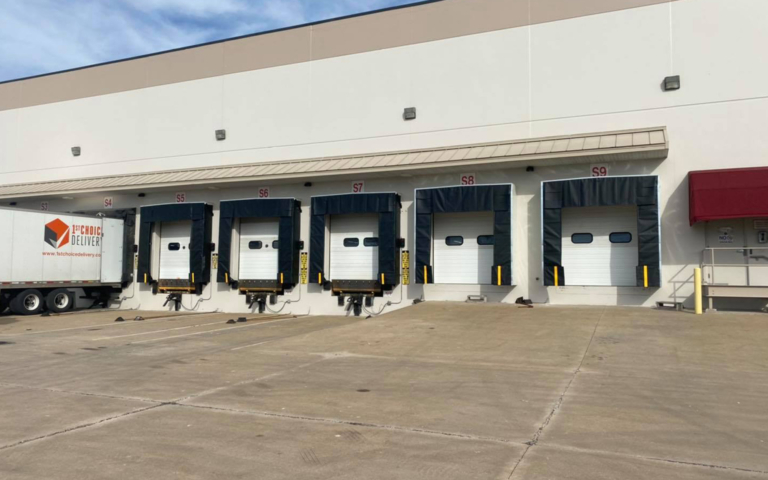

Dock seals use compressible foam pads to create a tight barrier around trailers of a consistent size. Dock shelters use a flexible frame and overlapping curtains to fit a wider range of trailer sizes. Choose seals for tighter temperature control and consistent fleets; choose shelters for high-traffic docks with varied trailers.
Dock seals vs. dock shelters — the short version
- Dock seals compress against the trailer to create the tightest seal for consistent trailer sizes.
- Dock shelters flex around a wider range of trailer sizes and usually handle high-traffic docks better.
- Dock door seals are the same product family as dock seals and should be inspected for foam wear and tearing.
- The best choice depends on trailer consistency, traffic volume, temperature control, and long-term maintenance.
Protecting your loading dock from the elements is a big responsibility. Two popular options — often shopped together as dock seals and shelters — are dock seals and dock shelters, each offering distinct benefits depending on your trailer traffic, climate needs, and budget.
Below, we break down what each one is, how they work, and exactly when to choose one over the other so you can make the right call for your facility.
A dock seal is a compressible foam pad that creates a tight barrier between the dock door and a trailer of consistent size. A dock shelter is a flexible frame with overlapping flaps that accommodates a wider range of trailer sizes.
What Is a Dock Seal? An Overview and Its Applications
Dock seals are compressible foam pads that create a tight seal between the loading dock door and the back of a truck or trailer. When a vehicle backs into the dock, the foam pads compress to form a barrier, preventing outside air, dust, pests, and moisture from entering the building.
You’ll also see this product listed as a dock door seal. It is the same equipment, just a different way of saying it. Dock seals are typically best for loading docks with minimal variation in trailer size.
Key Benefits of Dock Seals
- Superior sealing: Dock seals create a tight barrier that minimizes air and moisture infiltration.
- Energy efficiency: A tight seal helps maintain internal temperatures and can reduce heating and cooling costs.
- Pest control: The snug fit helps keep pests and outside debris out of the building.
- Affordability: Dock seals tend to cost less upfront than dock shelters.
Dock seals are a great fit for operations that handle a consistent trailer or truck size, especially where temperature control is a priority.
| Decision Factor | Dock Seals | Dock Shelters |
|---|---|---|
| Best fit | Consistent trailer sizes and tighter temperature control | Varied trailer sizes and high-traffic docks |
| How they seal | Compressible foam pads press against the trailer | Flexible frame and flaps close the gap around the trailer |
| Durability | More compression wear from repeated trailer impact | Better flexibility under frequent impact and trailer movement |
| Budget | Lower upfront cost for simpler dock openings | Higher upfront investment with better fleet flexibility |
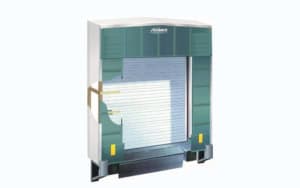
What Is a Dock Shelter? Breaking Down How It Works
A dock shelter consists of a flexible frame with overlapping flaps that create a seal around the trailer. Shelters allow for more versatility in the size and movement of trucks at the dock.
Dock shelters are built to accommodate a wider range of trailer sizes and can handle high-volume operations where trailers move in and out frequently. While a shelter does not create as tight a seal as a dock seal, it offers more flexibility and durability for larger or taller vehicles.
Common Dock Shelter Styles
- Rigid-frame shelters: A fixed frame with foam or fabric head curtains and side pads, built for durability under frequent impact.
- Inflatable and retractable shelters: Designed to expand around the trailer once it is in position and retract when not in use.
Advantages of Dock Shelters
- Versatility: Ideal for facilities that handle a wide range of truck and trailer sizes.
- Durability: Flexible construction reduces the risk of damage from repeated impact.
- Less wear and tear: Shelters do not rely on direct foam compression to create the seal.
- Accommodates wider trailers: Provides effective coverage for oversized vehicles.
Dock shelters are ideal for facilities that receive varied trailer sizes or have high-traffic docks. If your operation runs diverse truck fleets, a shelter offers the flexibility and durability that a seal cannot match.
Dock Seals vs. Dock Shelters: How to Decide
Now that we have covered what each option is and how it works, the decision usually comes down to trailer size, traffic volume, temperature control, and budget.
- Your trailers are mostly the same height and width.
- Temperature control and a tight foam seal are the priority.
- You need a lower upfront weatherproofing option.
- Your dock handles mixed trailer sizes or taller vehicles.
- High traffic makes durability and flexibility more important.
- You want less compression wear from repeated trailer impact.
Type of Trailers
- Consistent trailer sizes: Dock seals are likely the better option because their tight seal works best with minimal trailer variation.
- Varied trailer sizes: Dock shelters are usually the better fit thanks to their flexible design.
Frequency of Use
- High-traffic docks: Dock shelters offer better durability and less wear and tear over time.
- Moderate traffic: Dock seals can provide the protection you need while offering cost savings.
Temperature Control
- Strict temperature requirements: Dock seals provide a superior seal for food storage, pharmaceutical plants, and other sensitive operations.
- Moderate temperature control: Dock shelters provide adequate protection and energy savings while handling more trailer variation.
Budget Considerations
Dock seals tend to be more affordable upfront, while dock shelters may cost more initially but can be a better long-term investment for larger or high-traffic operations.
Maintenance: How Long Do Dock Seals and Shelters Last?
Both dock seals and dock shelters take a physical hit every time a trailer backs in, so routine inspection matters. Foam dock seals typically show compression wear and tearing first; shelter frames and curtains hold up longer but should still be checked for torn fabric, bent framing, or gaps.
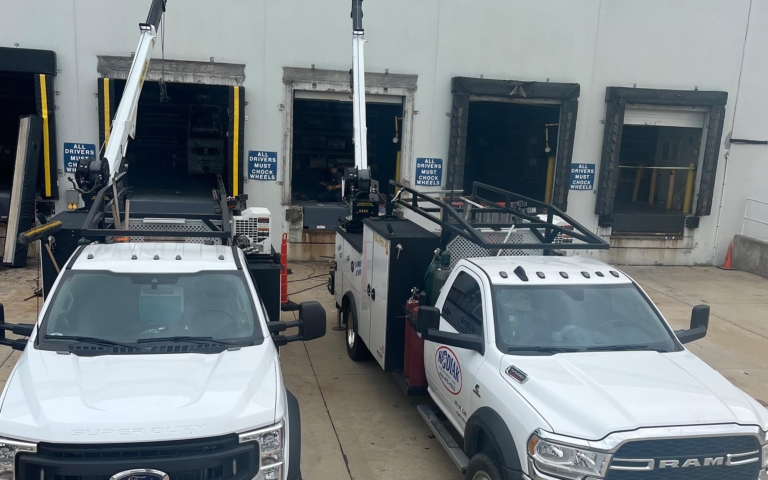
If you are not sure what shape your current seals or shelters are in, our team can inspect them as part of a broader preventative maintenance visit, and we carry replacement weatherseal equipment when it is time for a swap.
Inspect dock seals and shelters for compression wear, torn fabric, bent frames, and visible gaps. Catching damage early protects energy efficiency, pest control, and loading dock safety.
Other Loading Dock Weatherproofing and Protection Equipment
Dock seals and shelters are usually just one piece of a fully protected loading dock. Depending on your setup, it is also worth evaluating surrounding equipment that helps protect the building and trailer.
- Dock bumpers: Absorb impact from trailers backing in.
- Weatherstripping and rain guards: Seal smaller gaps around the dock door frame.
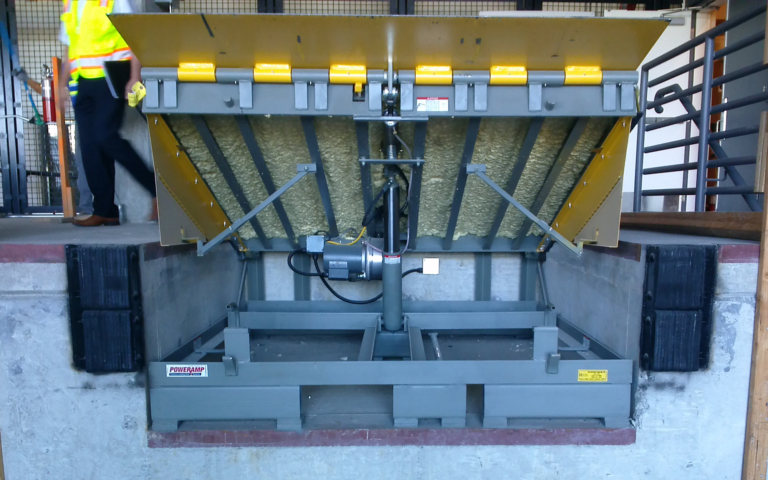
- Dock levelers: Work alongside seals and shelters to close the gap between the trailer bed and warehouse floor.
Access Fairborn Shelters and Seals at Kodiak Equipment Services
At Kodiak Equipment Services, we offer a wide selection of Fairborn dock shelters and seals to keep your loading docks efficient and secure. We help businesses choose solutions that protect goods, improve dock safety, and fit the way their trailers actually move through the facility.
Ready to Protect Your Loading Dock?
Fill out the quick form below for dock seal, dock shelter, or weatherproofing recommendations. Our team will help you choose the right option for your facility.
"*" indicates required fields
“The wrong dock seal or shelter usually shows up as energy loss, torn foam, pest issues, or damaged product. The right choice starts with trailer fit and traffic volume, not just the lowest upfront price.”
At Kodiak Equipment Services, we help facilities compare dock seals, dock shelters, weatherseal, and loading dock protection equipment based on real operating conditions. Explore our dock seals and shelters or request a facility review.