• Link to Facebook
  • Link to LinkedIn
  • 636.475.4222
  • Contact
Kodiak Equipment Services
  • Commercial Services
    • Loading Dock Equipment
      • Dock Bumpers
      • Dock Levelers
      • Vehicle Restraints
    • Dock Seals and Shelters
    • Doors
      • Cold Storage Doors
      • Door Operators
      • Bug Screen Doors
      • High-Performance Rolling Doors
      • Sectional
      • Rolling Steel
    • Gates
      • Gate Sales / Types
      • Gate Maintenance
    • Safety & Security
      • High-Security Barriers
    • Cranes/Hoists
    • Weird Stuff
      • Concrete Work
      • Welding / Fabrication
      • Used Equipment
      • Warehouse Solutions
  • Maintenance
    • Weatherseal
    • Preventative Maintenance
    • Fire Drop Testing
    • Warranty Repair
  • Resources
    • Blog
    • Testimonials
  • About
    • Leadership Team
    • Partners And Vendors
    • Areas We Serve
    • Careers
  • Contact
  • Menu Menu

Ensuring Dock Door Safety: The Role of Federally Regulated Dock Bumpers

A vital component often overlooked when loading and unloading a trailer is dock door safety. Dock bumpers play a crucial role in absorbing shocks, preventing damage, and safeguarding loading dock doors, personnel, and trailers. As such, it is imperative to integrate dock bumpers into your loading dock design and ensure they meet and exceed industry standards in both design and installation.

Let’s explore how these resilient safety assets can contribute to a more secure and efficient loading dock.
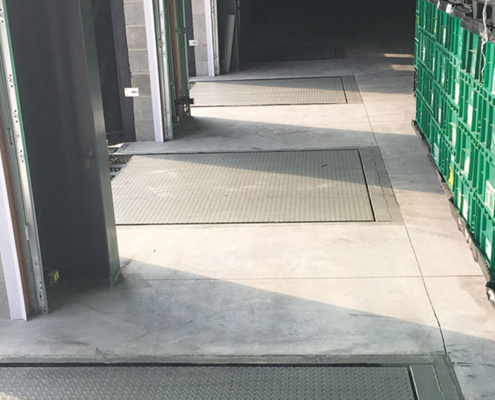
The Importance of Loading Dock Door Safety

Ensuring the safety of loading dock doors is essential for maintaining an efficient and accident-free work environment. Loading docks are high-traffic areas where goods are constantly moved, and without proper safety measures, they can become sites of costly damage and dangerous accidents.

Protecting Your Infrastructure and Equipment

Dock bumpers play a crucial role in protecting the loading dock doors and trailers from potential collisions. During loading and unloading, trailers may inadvertently move, even when docked, and come into contact with the dock. Without adequate protection, this impact can cause significant damage to the doors, which could disrupt operations and lead to expensive repairs. Dock bumpers absorb the shock and prevent such incidents.

Compliance and Standards in Bumper Design

Designing loading dock bumpers that adhere to industry standards is not just about compliance; it’s about ensuring a consistent safety protocol that keeps both equipment and personnel safe. Standards help dictate the appropriate levels of protection for different loading dock scenarios, considering the size of trucks, the height of docks, and the frequency of loading activities. That’s why obtaining bumpers from reliable providers like Kodiak Equipment Services is an absolute must.

Understanding Dock Bumper Varieties and Their Usage

Many types of dock bumpers are available, designed to cater to different needs based on traffic volume and the nature of the truck-dock interaction. Let’s explore the various dock bumpers and their specific applications.

Rubber Dock Bumpers: Flexibility for Light to Medium Traffic

Rubber dock bumpers provide a cost-effective solution with enough give to be ideal for facilities that experience light to medium traffic. Their flexibility allows them to absorb shock well, and they are suitable for:

  • Warehouses with occasional deliveries
  • Light commercial applications
  • Facilities where trucks align with docks without a high velocity

Laminated Dock Bumpers: Durability for Diverse Conditions

Laminated dock bumpers, constructed from recycled truck tires sandwiched between steel brackets, offer a durable and resilient option perfect for handling a broad range of conditions, making them suitable for:

  • Facilities with both light and heavy traffic
  • Applications where a moderate level of impact absorption is needed
  • Docks that serve a diverse fleet of vehicles

Steel-Faced Dock Bumpers: High Impact Resistance for Heavy Traffic

Steel-faced dock bumpers are the best for the highest level of impact resistance. They are designed to endure frequent contact with heavy vehicles and are most appropriate for:

  • High-traffic docks
  • Situations with heavy-duty trucks and trailers
  • Environments where the dock bumper needs to withstand severe wear and tear

Evaluating Dock Bumper Sizes

The size of the dock bumper must match the specific dock design and the types of trucks that frequent the loading dock. It’s crucial to consider the following:

  • The thickness and length of the bumper to provide adequate protection
  • The compatibility with standard trailers to oversized equipment
  • Proper placement ensures that bumpers align effectively with the truck’s impact zone

Discover the range of bumpers available from Kodiak Equipment Services to ensure your loading dock door safety.

Explore Our Bumpers

Loading Dock Rules and Regulations for Bumpers

Dock door safety requires adherence to specific regulations when designing and installing dock bumpers. These standards are essential for maintaining a safe loading dock environment, preventing injuries, and avoiding costly damages to trailers and infrastructure. Below, we provide a comprehensive overview of the regulatory standards that play a pivotal role in the safety of dock operations.

Designing Dock Bumpers with Safety in Mind

When designing dock bumpers, it is crucial to meet specific regulations that guarantee sufficient impact protection. This involves selecting suitable materials, dimensions, and design features that can withstand the day-to-day forces of docking vehicles without compromising the integrity of the dock door and surrounding structures. Kodiak Equipment Services understands the importance of designing bumpers with compliance in mind and ensures each iteration of our equipment is up to industry standards.

Regulatory Standards When Installing Dock Bumpers

Compliance with relevant standards is crucial when installing loading dock bumpers to ensure dock door safety. Adherence to OSHA regulations, including guidelines outlined in 29 CFR 1910.23, is crucial. These standards specify the required height, strength, and placement of dock bumpers to effectively prevent collisions and protect personnel.

Additionally, following manufacturer recommendations and industry best practices ensures proper installation and optimal performance of dock bumpers. By meeting compliance standards, businesses enhance dock door safety and mitigate risks and liabilities associated with workplace accidents.

OSHA Regulations for Dock Safety

The Occupational Safety and Health Administration (OSHA) provides guidelines covering various aspects of loading dock safety, including dock bumpers. OSHA’s regulations aim to minimize hazards associated with dock operations, and their recommendations often influence the development of industry-wide standards for safety equipment like dock bumpers. Some of OSHA’s dock safety requirements include:

  • Proper height and projection of bumpers to prevent trailers from making contact with the dock door.
  • Regular inspection and maintenance of bumpers to ensure continued efficacy and safety compliance.
  • Use of durable materials capable of withstanding extreme weather conditions and heavy impact.
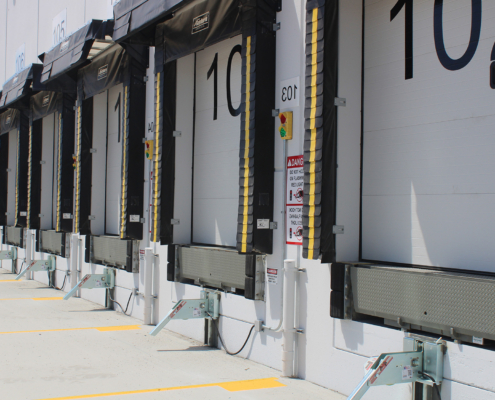
  • In some cases, yellow bumpers are required to provide extra awareness and dock door safety.

OSHA Loading Dock Railing Requirements

OSHA loading dock railing requirements mandate that loading dock areas be equipped with protective railings to prevent falls and ensure worker safety. According to OSHA standards (29 CFR 1910.23), railings must be installed along the open sides of platforms, walkways, and docks four feet or more above the adjacent floor or ground level. The railing should be at least 42 inches high, measured from the top of the railing to the surface of the dock floor.

The railing must also withstand a force of at least 200 pounds applied in any direction to ensure its stability and effectiveness in preventing falls. Compliance with these regulations is essential to maintaining a safe working environment and avoiding potential OSHA penalties.

The Benefits of Using High-Quality Bumpers for Dock Door Safety

Maintaining dock door safety with regulated bumpers offers numerous benefits for your facility’s doors, trailers, and workers. These advantages include:

  • Worker Safety: Using quality bumpers to protect your dock doors protects employees and visitors from falls and accidents, reducing the risk of injuries and associated liabilities.
  • Assured Compliance: Utilizing bumpers for dock door safety helps meet OSHA safety regulations, avoiding fines and penalties while demonstrating a commitment to workplace safety.
  • Operational Efficiency: Dock bumpers minimize disruptions caused by accidents or equipment damage, allowing loading and unloading operations to proceed smoothly and efficiently with your safe dock doors.
  • Asset Protection: With bumpers, you can preserve the integrity of dock doors, equipment, and trailers, preventing costly repairs or replacements due to collisions or structural damage.
  • Productivity: Loading dock bumpers promotes a safe and secure working environment, boosting employee morale and productivity while fostering a culture of safety.

Maintaining dock door safety through industry-approved bumpers safeguards personnel and assets and contributes to a more efficient, compliant, and productive loading dock operation. If you want to maintain your facility’s dock door safety, Kodiak Equipment Services is the high-quality bumper provider you can count on.

Maintain Dock Door Safety With Kodiak Equipment Services

At Kodiak Equipment Services, we prioritize dock door safety, recognizing its pivotal role in successful loading and unloading operations. With a deep understanding of these needs, we offer high-quality dock bumpers meticulously designed to protect both your facility and trailers from potential collision damage. Reach out to our experts today to safeguard your operations and ensure smooth, secure logistics processes.

Share This Post

  • Share on Facebook
  • Share on X
  • Share on WhatsApp
  • Share on Pinterest
  • Share on LinkedIn
  • Share on Tumblr
  • Share on Vk
  • Share on Reddit
  • Share by Mail

More Like This

Heavy-duty roll-up door used for industrial and commercial access.

Traditional Doors vs. High-Speed Doors: Why the Upgrade Is Worth It

April 28, 2025
 Comparing traditional doors vs. high-speed doors? Discover the advantages of upgrading to rolling doors, including long-term cost savings.
Industrial dock doors at Kodiak Equipment Services facility.

The Financial Benefits of Investing in Truck Restraints

February 4, 2025
Beyond safety, truck restraints provide a number of benefits that help you keep your logistics operations efficient and cost-effective.
Loading dock with safety barriers and equipment at Kodiak Equipment Services.

Ensuring Longevity and Reliability: Maintenance Tips for Truck Restraints at Loading Docks 

February 4, 2025
 Learn how to maintain truck restraints at loading docks with this guide. Ensure safety and reliability with regular inspections and maintenance.
Industrial dock leveler for efficient loading at Kodiak Equipment Services.

Best Practices for Installing and Using Vehicle Restraint Systems on Docks

February 4, 2025
Learn how to install and use vehicle restraints, avoid common mistakes, and ensure safety with these best practices for optimal dock safety.
High-speed industrial roll-up door with blue vinyl curtain for warehouse and facility access.

How Storage Doors Improve Cold Energy Efficiency

January 16, 2025
Discover how storage doors enhance cold energy efficiency, reduce energy costs, and improve climate control in your facility. Learn more today.
High-quality industrial roll-up door for commercial facilities at Kodiak Equipment Services.

Top Features to Look for When Choosing a Cold Storage Room Door

January 16, 2025
Explore key features to evaluate when choosing a cold storage room door. Make informed decisions for enhanced efficiency and safety.
Commercial garage door installation and repair by Kodiak Equipment Services.

Cold Storage Doors vs. Standard: The Key Differences

January 16, 2025
Discover the essential differences between cold storage doors and standard doors. Learn how these features impact efficiency and safety in your facility.
Poweramp concrete vibrator for construction and industrial use. Ensures efficient concrete compactio.

4 Best Practices for Installing and Using Restraining Devices for Your Dock

September 19, 2024
Learn the best practices for installing and using dock restraining devices to ensure safety and efficiency at your loading dock.
Dock leveler for loading dock safety and efficiency.

How Vehicle Restraints Enhance Dock Safety

September 10, 2024
Discover the benefits of vehicle restraints and learn how they enhance dock safety by preventing accidents during loading and unloading.
Previous Previous Previous Next Next Next

Categories

  • Dock Seals and Shelters
  • Doors
  • Loading Dock Equipment
  • Safety and Security

Contact Us

"*" indicates required fields

Kodiak Equipment Services logo featuring company name and emblem.

Company

About

Team

Testimonials

Careers

Solutions

Loading Dock Equipment

Preventative Maintenance

Weird Stuff

Dock Seals and Shelters

Contact

1603 Engle Creek Road, Barnhart
St. Louis, MO 63012

636-475-4222

sales-service@kodiakequipmentinc.com

Website by Abstrakt Marketing Group ©
  • Sitemap
  • Privacy Policy
Link to: Maximizing Safety and Protection: The Essential Benefits of Trailer Dock Bumpers Link to: Maximizing Safety and Protection: The Essential Benefits of Trailer Dock Bumpers Maximizing Safety and Protection: The Essential Benefits of Trailer Dock Bu...Modern industrial warehouse with multiple loading docks and parking area. Link to: Improve Loading Efficiency with Different Types of Dock Levelers Link to: Improve Loading Efficiency with Different Types of Dock Levelers Industrial cutting machine used for heavy-duty metal fabrication at Kodiak Equipment Services.Improve Loading Efficiency with Different Types of Dock Levelers
Scroll to top Scroll to top Scroll to top