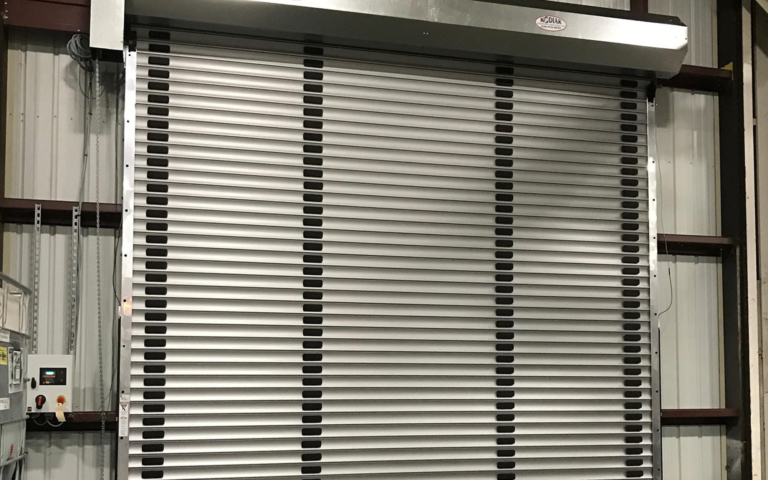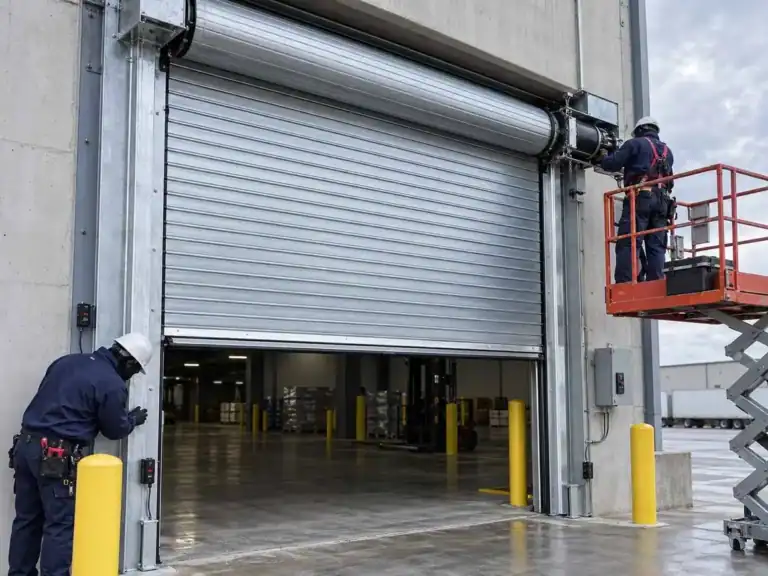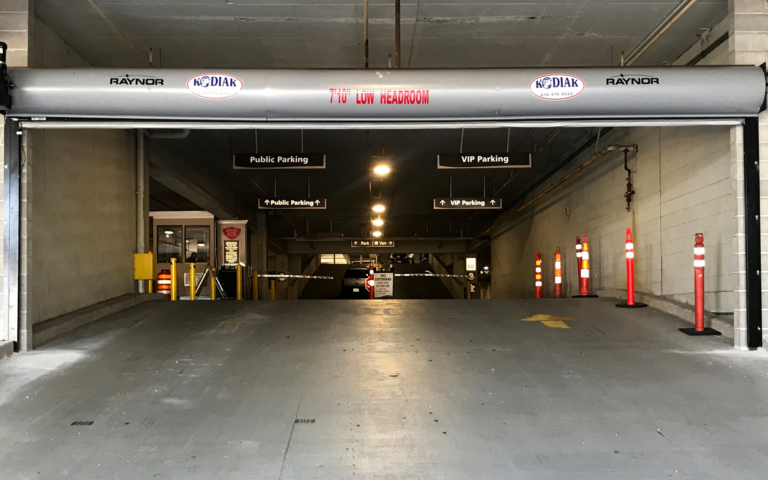

A cold storage door should have strong insulation, air-tight seals, durable materials, safety features, easy maintenance, and fast operation when traffic is high. The same principles apply whether your team calls it a cold room door, freezer door, chiller door, or temperature-controlled door.
Cold storage door features – the short version
- Cold storage door, cold room door, cold store door, freezer door, and chiller door are overlapping product terms.
- Insulation value, seal quality, durability, compliance, and speed are the main selection factors.
- Most cold storage and cold room doors need an R-value around 20 to 30, with deep freezer applications usually needing the higher end.
- Doors separating chilled and ambient areas need both a strong seal and enough speed to reduce condensation risk.
With so many options on the market, knowing what to look for helps you make an informed choice. This guide covers the features every cold storage door should have to perform well and minimize energy loss.
That applies whether your facility calls it a cold room door, cold store door, freezer door, chiller door, insulated door, or temperature-controlled door.
“Cold storage door,” “cold room door,” “cold store door,” “freezer door,” and “chiller door” all describe insulated, sealed doors built to hold a controlled temperature inside a refrigerated or frozen space.
| Feature | What to Look For | Why It Matters |
|---|---|---|
| Thermal insulation | Polyurethane foam or XPS core, usually 4 to 6 inches thick | Reduces heat transfer and refrigeration load |
| R-value | R-20 to R-30 for most cold storage and cold room doors | Higher R-value improves temperature stability |
| Air-tight seals | EPDM, silicone, magnetic, double, or triple seals | Limits condensation, frost, and air leakage |
| Speed | High-speed roll-up or sliding operation where traffic is heavy | Reduces open time and cold-air loss |
| Durability | Stainless steel, aluminum, heavy-duty PVC, bumpers, and corrosion resistance | Reduces downtime and repair cost |
Superior Thermal Insulation
The primary role of a cold storage door – or insulated door, if that is the term your team uses – is to hold a consistent internal temperature. Strong thermal insulation reduces heat transfer, keeping cold air in and warm air out.
That protects product integrity whether the space is running as a cooler, a chiller, or a full freezer.
Key Considerations for Thermal Insulation
- Insulation material: Look for a core made of polyurethane foam or extruded polystyrene (XPS). Both resist heat transfer well.
- R-value: Higher R-value means better insulation. For cold storage and cold room doors, R-20 to R-30 is generally recommended.
- Thickness: Insulated doors typically run 4 to 6 inches thick, providing a strong barrier against temperature swings.
Why It Matters
Better insulation means lower energy bills, a smaller carbon footprint, and an easier time meeting temperature regulations. High-quality insulation also extends refrigeration equipment lifespan by reducing how hard and how often it cycles.
See Kodiak’s comparison of cold storage doors vs. standard doors for more on why this matters in refrigerated environments.
Air-Tight Seals
Thermal insulation only works if the door has a tight seal. Gaps or leaks let cold air escape, undermining cooling effort and driving up energy costs.
This applies equally to freezer doors, chiller doors, and standard cold room doors.
Key Features to Look For
- Gasket seals: Look for durable materials like EPDM rubber or silicone, which stay flexible and hold up over time.
- Magnetic seals: Some doors use magnetic gaskets to create a strong, automatic seal on closing.
- Double or triple sealing: Higher-quality doors may use multiple sealing points to block air leakage.
Why It Matters
Air-tight seals prevent condensation, frost buildup, and energy loss while keeping internal temperature consistent. A good seal blocks warm, humid air from entering the cold space.
Durability and Longevity
Cold storage doors take constant use, extreme temperatures, and occasional impact from equipment or personnel. Durability keeps the door in service longer and avoids frequent repairs or replacement.
This is true whether the door protects a walk-in freezer, a chiller room, or a full cold storage warehouse opening.
Key Durability Features
- Material: Reinforced stainless steel, aluminum, or heavy-duty PVC resist damage well.
- Impact resistance: Protective bumpers or reinforcement help absorb collisions from carts, forklifts, or other equipment.
- Corrosion resistance: Cold storage environments involve constant moisture, so corrosion-resistant materials or coatings matter.
Ensuring dock door safety with the right bumpers and protection supports both structural integrity and daily operations.
Compliance With Health and Safety Standards
Industries like food processing, pharmaceuticals, agriculture, and healthcare face strict regulations on temperature control and hygiene. A door that meets health and safety standards is not optional in these settings.
Key Compliance Factors
- FDA and USDA compliance: Doors should support hygiene and safety requirements for regulated products.
- HACCP standards: Food-related businesses need doors that support Hazard Analysis and Critical Control Point guidelines.
- Fire safety ratings: Depending on your facility, a fire-rated door may require drop testing.
Compliance keeps you within legal requirements, avoids penalties, and protects your business’s reputation.
Ease of Maintenance
Cold storage doors are high-performance equipment, but they should still be easy to maintain. Low-maintenance doors cut labor costs and keep performance consistent over time.
Key Maintenance Features
- Simple mechanisms: A straightforward opening and closing system reduces the risk of mechanical failure.
- Replaceable parts: Modular design makes it easier to replace gaskets, handles, or hinges.
- Corrosion-resistant hardware: Stainless steel or similar materials prevent hardware degradation over time.
If you are managing maintenance across an entire facility, Kodiak’s preventative maintenance services can cover cold storage doors alongside the rest of your dock and door equipment.
Speed and Efficiency
In high-traffic environments like warehouses and distribution centers, door speed matters directly. The longer a door stays open, the more cold air escapes.
Key Features for Speed
- High-speed operation: High-speed roll-up doors or sliding doors help limit air loss in temperature-sensitive storage.
- Automatic controls: Motion sensors or remote controls streamline operation and reduce thermal loss.
- Soft-close mechanisms: These prevent slamming and reduce wear on the door and its components.
A fast-operating door holds internal temperature better and keeps workflow moving.
Safety and User-Friendly Features
Worker safety matters in any cold storage, cold room, or freezer environment. Doors should include safety features that prevent accidents and make daily use easier.
Key Safety Features
- Anti-pinch design: Prevents fingers or hands from getting caught as the door closes.
- Emergency release mechanisms: Allows the door to open quickly in an emergency.
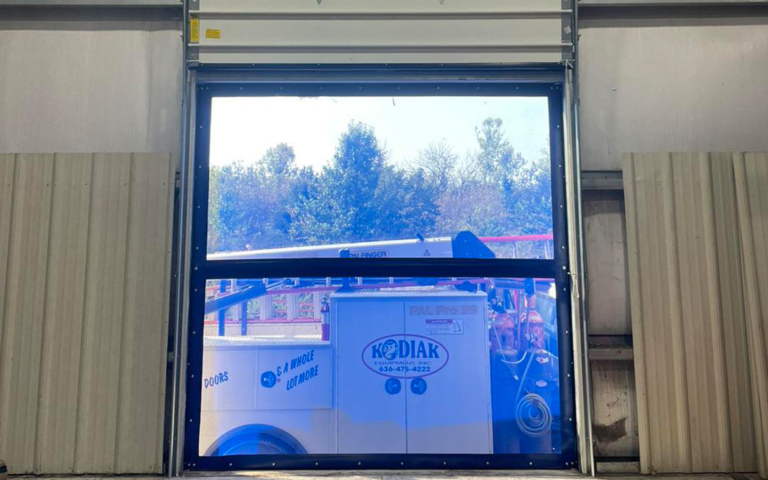
- Visibility panels: Windows or clear panels help employees see through the door and reduce collision risk.
Customizable Options
Every cold storage facility has different needs, and a one-size-fits-all door does not always work. Look for a provider that offers customizable options to match your specific requirements.
Custom Features to Consider
- Size and dimensions: The door should fit your exact opening.
- Color and branding: Custom colors or logos can match your facility’s look.
- Automation features: Remote operation, touchless entry, or advanced controls can add functionality where needed.
Customization makes sure your door actually fits your operation. Kodiak’s guide on how cold storage doors improve efficiency goes deeper on the efficiency side.
- The door separates chilled and ambient areas with frequent traffic.
- The space stores food, pharmaceuticals, agriculture products, or other temperature-sensitive goods.
- Energy loss, frost, or condensation is already a facility problem.
- Low R-value doors that make refrigeration equipment cycle harder.
- Weak seals that allow condensation, frost, pests, or air leakage.
- Slow operation in high-traffic load-out areas.
Get Quality Cold Storage Doors You Can Count On
Choosing the right cold storage, cold room, or freezer door affects your facility’s efficiency, compliance, and cost-effectiveness. Prioritizing thermal insulation, air-tight seals, durability, safety, and compliance supports long-term performance.
At Kodiak Equipment Services, we specialize in cold storage doors tailored to your facility’s needs. Our doors combine performance, durability, and energy efficiency to keep operations running smoothly.
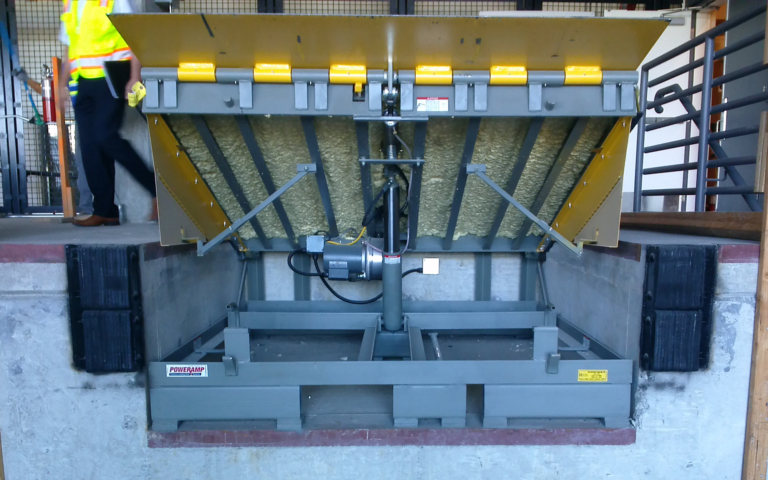
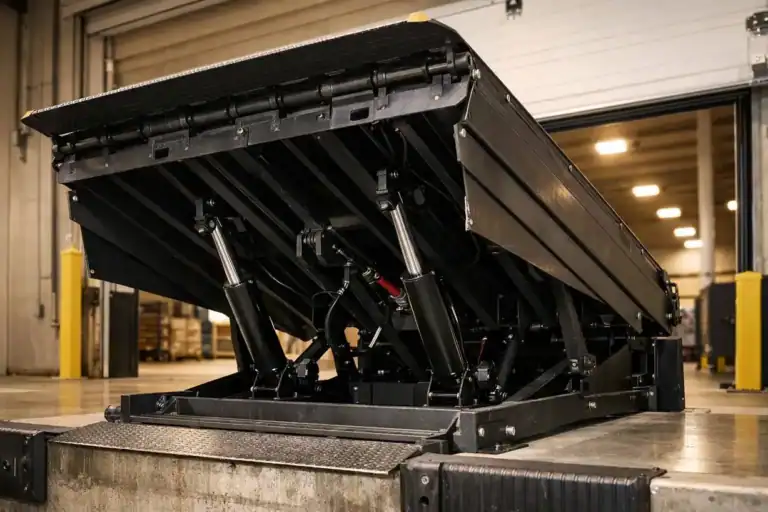
If your facility also relies on dock levelers or vehicle restraints in refrigerated areas, see Kodiak’s guide to dock leveler solutions for cold storage facilities.
Ready to Choose the Right Cold Storage Door?
Fill out the quick form below for cold storage door, cold room door, freezer door, or temperature-controlled door recommendations.
"*" indicates required fields
“A cold storage door is only as good as its insulation, seals, and fit for the traffic pattern. The right door protects temperature stability without slowing down the facility.”
Kodiak Equipment Services helps facilities select cold storage, cold room, freezer, chiller, and temperature-controlled doors around real operating conditions. Explore cold storage doors or request a facility review.