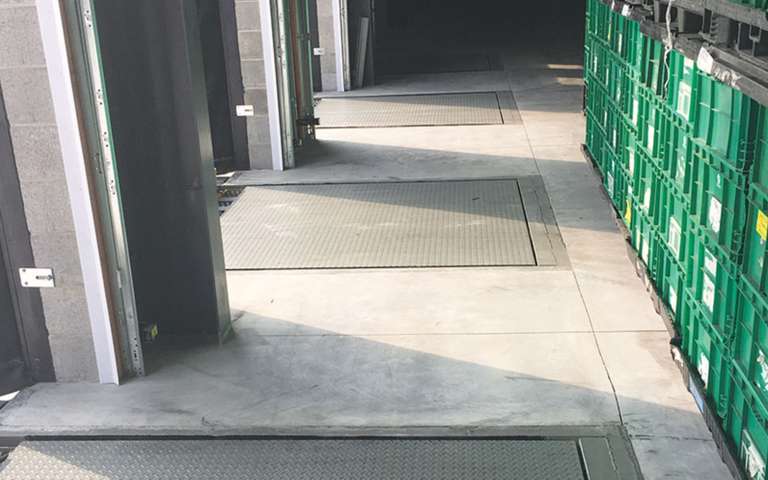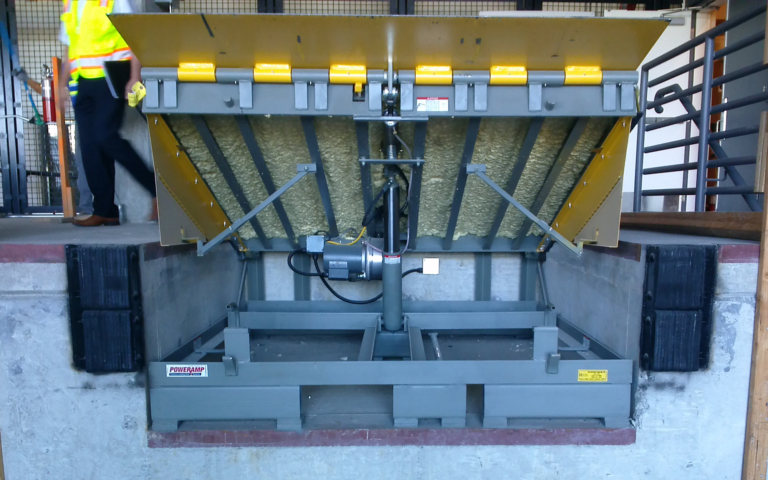

Dock levelers, also called dock plates, should be cleaned, lubricated, inspected, safety-checked, and documented on a regular schedule. High-traffic docks often need quarterly service, moderate-use docks bi-annual service, and low-traffic docks annual service.
Dock leveler maintenance — the short version
- Dock levelers and dock plates need cleaning, lubrication, inspection, safety checks, and maintenance records.
- Quarterly, bi-annual, or annual service depends on dock traffic and operating conditions.
- The maintenance checklist catches hydraulic, mechanical, electrical, structural, and alignment issues early.
- Repair intent matters: small wear is usually cheaper to fix before it becomes a breakdown.
Dock levelers, also called dock plates, take on constant wear from daily loading and unloading. Without regular maintenance, they are prone to breakdowns that create safety risks and operational disruptions.
Regular loading dock maintenance catches problems early, before they turn into an unplanned repair or a leveler that needs replacing altogether.
A dock leveler needs cleaning, lubrication, inspection, a safety check, and documentation on a regular schedule: quarterly for high-traffic docks, bi-annually for moderate use, or annually for low-traffic facilities.
If you are new to the equipment itself, see Kodiak’s guide to how dock levelers work first. This post focuses on keeping one running safely and catching problems before they become repairs.

Why Dock Leveler Maintenance Is Essential
Dock levelers endure heavy wear from continuous use across industrial environments. Without proper maintenance, they become prone to breakdowns, which creates both safety risks and operational disruptions.
Regular maintenance identifies and addresses issues early, keeping the leveler in working condition and reducing how often you need a dock leveler repair.
| Maintenance Frequency | Best For | What It Includes |
|---|---|---|
| Quarterly maintenance | High-traffic docks with extensive daily use | Inspection, cleaning, lubrication, functional testing, and early wear checks |
| Bi-annual maintenance | Moderate-traffic facilities | Thorough inspection, cleaning, lubrication, and adjustment |
| Annual maintenance | Low-traffic facilities | Detailed inspection, cleaning, lubrication, and needed repairs |
Preventive Maintenance Program for Dock Levelers
A well-structured preventive maintenance program is central to keeping dock levelers and dock plates running. How often you need service depends on your operating environment and how heavily the leveler is used.
Quarterly Maintenance
Best for high-traffic environments where dock levelers see extensive daily use. It includes comprehensive inspections, cleaning, lubrication, and functional testing.
Bi-Annual Maintenance
Suited to moderate-traffic environments. It includes thorough inspections, cleaning, lubrication, and adjustments to keep the leveler in good condition throughout the year.
Annual Maintenance
Best for low-traffic environments with minimal use. It includes detailed inspections, cleaning, lubrication, and any necessary repairs.
Dock Leveler Maintenance Checklist: 5 Practices to Follow
If you are a facility manager, follow these five steps regularly, or bring in a professional for a scheduled service visit.
- Cleaning: Clear debris, dirt, and contaminants that build up under the dock leveler. Keeping the area clean prevents blockages and supports smooth operation.
- Lubrication: Lubricate mechanical parts to cut down on friction and wear. Cover moving parts such as hinges, springs, and bearings with manufacturer-recommended lubricant.
- Inspection and testing: Inspect for gaps, misalignment, or worn-out parts. Test hydraulic or mechanical systems for proper function and address wear before it forces a repair.
- Safety checks: Confirm emergency stops, safety chains, and other safety features are working correctly. Watch for jerking, unusual noise, structural damage, or corrosion.
- Documentation: Keep records of inspections, repairs, replacements, and service dates. Maintenance history helps spot patterns and plan ahead.
- Longer dock leveler lifespan and fewer premature replacements.
- Safer loading dock operation with working safety features.
- Less unplanned downtime and fewer emergency repair calls.
- Hydraulic leaks, worn hinges, spring failure, or sensor issues.
- Misalignment, gaps, and rough operation under load.
- Higher repair cost once minor wear becomes a breakdown.
Benefits of Regular Dock Leveler Service
- Extended lifespan: Regular maintenance prevents premature wear and helps avoid early replacement.
- Boosted safety: A well-maintained leveler operates smoothly and keeps safety features functional.
- Reduced downtime: Scheduled maintenance creates planned downtime instead of an unexpected breakdown.
- Cost savings: Preventive maintenance usually costs less than reactive repair after failure.
- Improved performance: A leveler in good condition keeps loading and unloading moving.
Steps to Implementing a Successful Preventive Maintenance Program
- Assessment and planning: Evaluate usage patterns, operating conditions, personnel, and tools before setting a maintenance schedule.
- Training and education: Train your team on cleaning, lubrication, inspection, repair procedures, manufacturer guidelines, and safety protocols.
- Routine inspections: Use a checklist on schedule so nothing gets missed, then address unusual findings right away.
- Record-keeping: Log dates, findings, and actions taken so maintenance history can guide future planning.
- Collaboration and communication: Keep facility managers, maintenance staff, and equipment suppliers aligned on the program.
Common Dock Leveler Problems: Troubleshooting and Repair
If you are seeing any of these issues, the leveler may already need repair rather than routine maintenance. Kodiak’s warranty and repair services team can help assess the equipment.
- Hydraulic system failures: Leaks, pressure drops, or faulty components. Inspect hoses, cylinders, and pumps, replace worn parts, and keep fluid levels correct.
- Mechanical wear and tear: Hinges, springs, and bearings wear out over time. Lubricate moving parts and replace worn components before they fail.
- Electrical system malfunctions: Faults in control panels or sensors. Inspect electrical connections and confirm sensors and controls are functioning.
- Structural damage: Damage from heavy loads or impact. Inspect for structural issues or corrosion and repair damaged components before they affect safety.
- Misalignment and gaps: Misalignment between the leveler and dock. Check alignment, adjust as needed, and seal gaps to keep debris out.
Kodiak Equipment Services: Your Source for Dock Leveler Maintenance
Kodiak Equipment Services offers tailored dock leveler maintenance programs built around how your facility actually uses its equipment. Our technicians handle cleaning, lubrication, inspection, and testing.
When a leveler needs more than routine service, our warranty and repair team can help. You can also review Kodiak’s dock leveler product line if an upgrade is the better long-term fix.
Ready to Schedule Dock Leveler Service?
Fill out the quick form below for dock leveler maintenance, dock plate repair, or loading dock equipment recommendations.
"*" indicates required fields
“Most dock leveler failures start as small wear: low fluid, dry hinges, worn springs, misalignment, or ignored noise. A regular inspection schedule catches those issues before they stop the dock.”
Kodiak Equipment Services helps facilities maintain, repair, and replace dock levelers around real traffic volume and safety requirements. Explore dock levelers or request a facility review.

Frequently Asked Questions
Related equipment note: vehicle restraints need their own inspection schedule. See Kodiak’s guide to maintaining truck restraints for that side of the dock.