• Link to Facebook
  • Link to LinkedIn
  • 636.475.4222
  • Contact
Kodiak Equipment Services
  • Commercial Services
    • Loading Dock Equipment
      • Dock Bumpers
      • Dock Levelers
      • Vehicle Restraints
    • Dock Seals and Shelters
    • Doors
      • Cold Storage Doors
      • Door Operators
      • Bug Screen Doors
      • High-Performance Rolling Doors
      • Sectional
      • Rolling Steel
    • Gates
      • Gate Sales / Types
      • Gate Maintenance
    • Safety & Security
      • High-Security Barriers
    • Cranes/Hoists
    • Weird Stuff
      • Concrete Work
      • Welding / Fabrication
      • Used Equipment
      • Warehouse Solutions
  • Maintenance
    • Weatherseal
    • Preventative Maintenance
    • Fire Drop Testing
    • Warranty Repair
  • Resources
    • Blog
    • Testimonials
  • About
    • Leadership Team
    • Partners And Vendors
    • Areas We Serve
    • Careers
  • Contact
  • Menu Menu

Best Practices for Installing and Using Vehicle Restraint Systems on Docks

When it comes to vehicle restraints, ensuring that they are installed and used correctly is essential for dock safety. These systems are designed to secure trucks during loading and unloading, preventing potential accidents caused by premature vehicle movement. By understanding the best practices for both installation and usage, businesses can safeguard their operations and enhance safety at their loading docks.

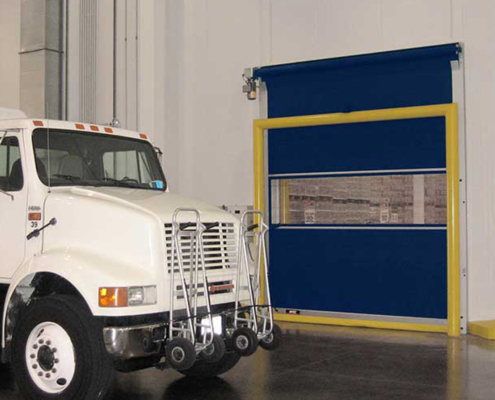
Why Vehicle Restraints Matter

If you’ve ever witnessed a loading dock incident where a truck unexpectedly pulls away from the dock, you’ll understand the critical importance of vehicle restraint systems. These systems prevent accidents by securing the truck to the loading dock equipment, reducing the risk of injuries and costly damage. Whether you’re new to dock operations or seeking to enhance your safety protocols, using vehicle restraints can make all the difference.

Step-by-Step Guide to Installing Vehicle Restraints

To ensure your vehicle restraint system works effectively, proper installation is a must. Follow these steps to get it right:

Evaluate Your Dock Setup

Before installing any restraint system, it’s essential to assess the type of vehicles that regularly access your dock, the dimensions of the dock itself, and any unique operational needs. For example, if your business frequently handles a variety of truck sizes, such as in a distribution center, you’ll need a versatile system that accommodates different trailer heights and weights. Consider other factors, like trailer overhangs or specific trailer bed designs, to ensure the restraints can engage securely.

Prepare the Dock Area

The installation area should be free of obstructions and level and clear of debris. Any irregularities, like sloping surfaces, can prevent the restraint from locking correctly, which could leave room for the trailer to shift during loading. Even a slight slope left unaddressed during installation at a manufacturing facility could result in poor alignment, increasing the risk of trailer movement. To avoid this, make sure the surface is even and capable of supporting the weight and pressure of the restraint mechanism.

Secure the Restraint System

Accurate installation is critical for the effectiveness of your vehicle restraint system. Systems are typically mounted onto the dock face, and skipping steps or misaligning the mounting can lead to restraint failure. Improperly secured restraints, for instance, may not fully engage with certain trailer types, risking dangerous premature truck movement. Always adhere to the manufacturer’s guidelines and use the recommended tools and materials to ensure a firm and lasting attachment.

This helpful guide offers tips for upholding loading dock safety to prevent accidents and injuries.

Learn More

Test the System

Once installed, it’s important to test the system using different vehicle types. By engaging the system with trucks of various sizes, you’ll ensure the restraint consistently functions as intended. Testing should not be a one-time event; regular performance checks can help identify any wear, tear, or alignment issues that could compromise safety over time. For instance, an unnoticed vehicle restrain system misalignment during initial testing could cause major failures in high-pressure loading scenarios.

Training Employees

After installation, it’s critical that all employees, especially those who operate forklifts or manage the docks, are trained in how to use the vehicle restraint system properly. Training should cover engaging the restraint before loading or unloading begins, recognizing malfunctions, and understanding emergency release procedures. In a busy logistics hub, ensuring operators know how to verify full engagement of the restraint before beginning work prevents accidents that could occur from premature trailer movement.

Common Mistakes to Avoid During Installation

Mistakes during installation can render even the best vehicle restraint system ineffective. Avoid these pitfalls:

  • Ignoring Weight Limits: Vehicle restraints have specific weight capacities. Installing a system that can’t handle the trucks you regularly receive can lead to premature system failure.
  • Skipping Maintenance: Restraints need regular checks and maintenance to remain functional. If bolts loosen or parts rust, the restraint may not engage properly when needed.
  • Inconsistent Testing: Testing the system only once after installation isn’t enough. Make sure to conduct regular tests, especially if you deal with a wide range of vehicle sizes and weights.

Ensuring Dock Safety With Vehicle Restraints

Even with a proper installation, vehicle restraints can only provide their full safety benefits if used correctly. Here’s how to ensure they’re used effectively:

Always Engage the Restraint Before Loading/Unloading

Ensure the restraint is fully engaged before any loading or unloading begins. In a high-volume warehouse, for instance, starting without verifying the restraint could cause dangerous gaps between the dock and trailer, leading to accidents. A simple check can prevent these mishaps.

Perform Regular System Checks

Routine inspections of your vehicle restraint system are essential. Wear and tear can reduce effectiveness over time, so consider visual inspections a part of your daily dock procedures. Ignoring this step could lead to unnoticed system degradation, risking failure when needed most.

Use Light Communication Systems

Modern vehicle restraint systems often feature integrated light systems, signaling that loading or unloading is safe for drivers and dock workers. These lights provide a clear, immediate visual cue, eliminating the guesswork from operations. Relying on these signals ensures everyone is on the same page, avoiding miscommunication that could result in safety hazards.

Consider Weather Impacts

Weather conditions like rain, snow, or extreme cold can impact how restraints function. Ensure your system is suited for your location’s environmental conditions and be prepared for more frequent maintenance if needed. For example, in colder climates, freezing can cause parts to seize, reducing the system’s reliability.

Train Employees on Emergency Release Protocols

In emergencies, it’s critical that your team knows how to disengage the restraint without endangering the operation. Every team member should understand how to safely release the restraint and move the vehicle, particularly in situations requiring immediate action. Proper training here can mean the difference between a manageable and dangerous situation.

Maximizing the Effectiveness of Vehicle Restraints

Proper installation and usage go hand-in-hand when it comes to getting the most out of your vehicle restraint system. Here are a few additional tips:

  • Coordinate with Drivers: Drivers should be just as familiar with the dock’s restraint system as the dock workers. Ensure they understand how it works and the importance of staying stationary until the light indicates it’s safe to pull away.
  • Upgrade When Needed: Vehicle restraints may become outdated or less effective over time. If your restraint system no longer meets your operational needs, consider upgrading to a more modern solution.
  • Incorporate Restraints into Your Overall Dock Safety Plan: Vehicle restraints are just one part of a comprehensive dock safety strategy. Pair them with dock levelers, seals, and barriers to ensure maximum protection for your employees and equipment.

Ensure Dock Safety With Kodiak Equipment’s Selection of Vehicle Restraints

At Kodiak Equipment, we specialize in ensuring dock safety through expertly installed and maintained vehicle restraint systems. With over three decades of experience in the industry, we understand the critical role restraints play in preventing accidents at docks during loading and unloading operations. Contact us today to find the best solution for your facility’s safety needs.

Share This Post

  • Share on Facebook
  • Share on X
  • Share on WhatsApp
  • Share on Pinterest
  • Share on LinkedIn
  • Share on Tumblr
  • Share on Vk
  • Share on Reddit
  • Share by Mail

More Like This

Heavy-duty roll-up door used for industrial and commercial access.

Traditional Doors vs. High-Speed Doors: Why the Upgrade Is Worth It

Industrial dock doors at Kodiak Equipment Services facility.

The Financial Benefits of Investing in Truck Restraints

Loading dock with safety barriers and equipment at Kodiak Equipment Services.

Ensuring Longevity and Reliability: Maintenance Tips for Truck Restraints at Loading Docks 

High-speed industrial roll-up door with blue vinyl curtain for warehouse and facility access.

How Storage Doors Improve Cold Energy Efficiency

High-quality industrial roll-up door for commercial facilities at Kodiak Equipment Services.

Top Features to Look for When Choosing a Cold Storage Room Door

Commercial garage door installation and repair by Kodiak Equipment Services.

Cold Storage Doors vs. Standard: The Key Differences

Poweramp concrete vibrator for construction and industrial use. Ensures efficient concrete compactio.

4 Best Practices for Installing and Using Restraining Devices for Your Dock

Dock leveler for loading dock safety and efficiency.

How Vehicle Restraints Enhance Dock Safety

Industrial oil and gas equipment maintenance and repair services at Kodiak Equipment Inc.

A Complete Guide to the Different Types of Dock Trailer Restraints

Previous Previous Previous Next Next Next

Categories

  • Dock Seals and Shelters
  • Doors
  • Loading Dock Equipment
  • Safety and Security

Contact Us

"*" indicates required fields

Kodiak Equipment Services logo featuring company name and emblem.

Company

About

Team

Testimonials

Careers

Solutions

Loading Dock Equipment

Preventative Maintenance

Weird Stuff

Dock Seals and Shelters

Contact

1603 Engle Creek Road, Barnhart
St. Louis, MO 63012

636-475-4222

sales-service@kodiakequipmentinc.com

Website by Abstrakt Marketing Group ©
  • Sitemap
  • Privacy Policy
Link to: How Storage Doors Improve Cold Energy Efficiency Link to: How Storage Doors Improve Cold Energy Efficiency How Storage Doors Improve Cold Energy EfficiencyHigh-speed industrial roll-up door with blue vinyl curtain for warehouse and facility access. Link to: Ensuring Longevity and Reliability: Maintenance Tips for Truck Restraints at Loading Docks  Link to: Ensuring Longevity and Reliability: Maintenance Tips for Truck Restraints at Loading Docks  Loading dock with safety barriers and equipment at Kodiak Equipment Services.Ensuring Longevity and Reliability: Maintenance Tips for Truck Restraints at...
Scroll to top Scroll to top Scroll to top