• Link to Facebook
  • Link to LinkedIn
  • 636.475.4222
  • Contact
Kodiak Equipment Services
  • Commercial Services
    • Loading Dock Equipment
      • Dock Bumpers
      • Dock Levelers
      • Vehicle Restraints
    • Dock Seals and Shelters
    • Doors
      • Cold Storage Doors
      • Door Operators
      • Bug Screen Doors
      • High-Performance Rolling Doors
      • Sectional
      • Rolling Steel
    • Gates
      • Gate Sales / Types
      • Gate Maintenance
    • Safety & Security
      • High-Security Barriers
    • Cranes/Hoists
    • Weird Stuff
      • Concrete Work
      • Welding / Fabrication
      • Used Equipment
      • Warehouse Solutions
  • Maintenance
    • Weatherseal
    • Preventative Maintenance
    • Fire Drop Testing
    • Warranty Repair
  • Resources
    • Blog
    • Testimonials
  • About
    • Leadership Team
    • Partners And Vendors
    • Areas We Serve
    • Careers
  • Contact
  • Menu Menu

How Vehicle Restraints Enhance Dock Safety

Loading and unloading at docks can be a risky business, but vehicle restraints offer a simple solution to significantly enhance safety. Discover why investing in these devices is crucial for preventing accidents and ensuring smooth operations.

Understanding the Importance of Dock Safety

Loading docks are hubs of activity, with trucks, trailers, and forklifts constantly on the move. This dynamic environment poses significant safety risks—accidents can occur in an instant, leading to damaged goods, injured workers, and costly downtime. Ensuring the safety of these areas is not just a regulatory requirement but a moral obligation to protect employees and maintain smooth business operations.

One key aspect of dock safety is preventing accidents before they happen. This involves implementing robust safety protocols, training employees, and investing in equipment designed to mitigate risks. Vehicle restraints are a prime example of such equipment. Securing trucks and trailers during the loading and unloading process plays a crucial role in preventing unexpected movements that can lead to serious accidents.

Prioritizing dock safety is about more than just compliance; it’s about creating a secure environment where operations can run smoothly and efficiently. With the right tools and practices in place, businesses can significantly reduce the risk of accidents and ensure the well-being of their workforce.

The Critical Role of Vehicle Restraints

Vehicle restraints are an integral component of dock safety, serving as the first line of defense against common accidents that occur during loading and unloading. These devices are designed to secure trailers and trucks to the dock, preventing them from moving unexpectedly. This stability is crucial in avoiding incidents such as trailer creep and early departure, which can cause significant harm to both personnel and goods.

How Do They Work?

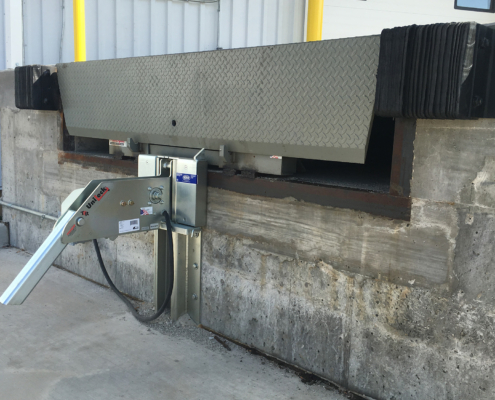
Vehicle restraints are mechanical devices installed to Trailers Rear Impact Guards (RIG) to keep them in place during loading and unloading. They typically engage with the rear impact guard (RIG) or wheels of the vehicle, ensuring it remains stationary until the loading process is safely completed. These restraints come in various forms, including manual, electric, and hydraulic systems, each offering different levels of automation and security.

The primary function of vehicle restraints is to prevent the trailer from shifting or pulling away from the dock prematurely. This stability is crucial as it ensures that forklifts and other machinery can operate safely without the risk of the trailer moving. By providing a secure connection between the dock and the vehicle, restraints significantly reduce the likelihood of accidents, protecting both workers and cargo.

How Vehicle Restraints Differ from Wheel-Based Restraints

In the world of loading dock safety, it’s important to understand the difference between the two main types of vehicle restraints: loading dock truck restraints and wheel-based vehicle restraints. Although both are designed to secure trucks or trailers during loading and unloading, they operate in different ways and offer distinct advantages.

Loading Dock Truck Restraints are mounted directly to the dock and work by securing the trailer’s Rear Impact Guard (RIG) to prevent movement during operations. These restraints address risks like trailer creep and premature departure, ensuring that the trailer remains firmly in place against the dock.

Wheel-Based Vehicle Restraints, on the other hand, are designed to secure the wheels of the vehicle, preventing it from rolling away from the dock. These are particularly useful in situations where the trailer may not have a compatible RIG or in environments where additional wheel stabilization is necessary.

Both types of restraints play a crucial role in dock safety, and understanding their differences can help you choose the right system for your specific needs. Whether you’re securing the trailer directly to the dock or stabilizing the vehicle’s wheels, these restraints work together to create a safe and efficient loading and unloading environment.
How Vehicle Restraints Enhance Safety and Prevent Accidents

Vehicle restraints are essential in enhancing dock safety by addressing specific risks associated with the loading and unloading process. One of the most significant dangers is the premature departure of trucks, which can occur if the vehicle driver mistakenly believes loading is complete and drives away. This can lead to catastrophic accidents, including falls, injuries, and damage to both goods and equipment.

By securing the vehicle to the dock, restraints prevent this type of accident. They ensure that the truck or trailer remains stationary until the restraint is manually or automatically released. This simple yet effective measure can save lives and reduce the incidence of workplace injuries.

Another common issue is trailer creep, which happens when the trailer gradually moves away from the dock due to the repeated impact of forklifts entering and exiting. This can create dangerous gaps between the dock and the trailer, posing a significant risk to workers. Vehicle restraints hold the trailer firmly in place, eliminating the risk of trailer creep and ensuring a safe and stable loading environment.

Enhance Your Dock Safety Today

Investing in vehicle restraints can significantly improve the safety and efficiency of your dock operations. These devices are a crucial addition to any dock setup, preventing accidents and ensuring stable loading and unloading. Explore the range of vehicle restraints available to keep your operations secure and compliant with safety regulations.

Explore Vehicle RestraintsExplore Vehicle Restraints

Your Role in Compliance: Understanding Safety Procedures and Compliance

Ensuring dock safety isn’t just about having the right equipment; it’s also about understanding and adhering to safety procedures and compliance requirements. Regulations vary depending on the industry and location, but they all share a common goal: to protect workers and ensure safe operations.

Compliance with safety standards often involves regular inspections and maintenance of equipment, including vehicle restraints. It’s important to stay informed about the latest regulations and ensure that your equipment meets all necessary requirements. This not only helps in preventing accidents but also shields your business from potential legal issues and fines.

Moreover, while vehicle restraints are always recommended for enhanced safety, not all customers have them due to varying safety procedures and regulatory requirements. However, investing in these devices is a proactive step towards creating a safer work environment. By understanding the importance of compliance and staying up-to-date with safety protocols, businesses can make informed decisions that prioritize the well-being of their workforce.

Key Factors to Consider When Choosing Vehicle Restraints

When selecting vehicle restraints for your dock, it’s important to consider several key factors to ensure you choose the best option for your needs:

  • Traffic Type and Volume: Assess the type and volume of traffic at your dock. Different restraints are suited to varying levels of usage, so it’s crucial to choose a device that can handle your specific operational demands.
  • Level of Automation: Consider the level of automation you require. Manual restraints are typically more affordable but require more effort to operate. Electric and hydraulic systems offer greater convenience and efficiency, although they come at a higher cost. Evaluate your budget and operational needs to determine the right balance between cost and functionality.
  • Compatibility with Vehicles: Ensure the device you choose can securely engage with the RIGs or wheels of the trucks and trailers you typically handle. Additionally, look for features such as warning lights and audible alarms, which can enhance safety by providing clear indicators of the restraint’s status.
  • Manufacturer Reputation and Reliability: Consider the manufacturer’s reputation and reliability. Opt for vehicle restraints from trusted brands known for their durability and performance. Investing in high-quality equipment will ensure long-term safety and functionality, providing peace of mind for your operations.

Ready to Boost Your Dock Safety?

Don’t wait for an accident to happen. Proactively enhance the safety of your dock with our top-quality vehicle restraint solutions. Our expert team at Kodiak is ready to help you choose the best options tailored to your specific needs. Reach out to Kodiak today to learn more about our vehicle restraint solutions and how they can protect your operations, ensuring smooth and safe loading and unloading every time.

Share This Post

  • Share on Facebook
  • Share on X
  • Share on WhatsApp
  • Share on Pinterest
  • Share on LinkedIn
  • Share on Tumblr
  • Share on Vk
  • Share on Reddit
  • Share by Mail

More Like This

Heavy-duty roll-up door used for industrial and commercial access.

Traditional Doors vs. High-Speed Doors: Why the Upgrade Is Worth It

Industrial dock doors at Kodiak Equipment Services facility.

The Financial Benefits of Investing in Truck Restraints

Loading dock with safety barriers and equipment at Kodiak Equipment Services.

Ensuring Longevity and Reliability: Maintenance Tips for Truck Restraints at Loading Docks 

Industrial dock leveler for efficient loading at Kodiak Equipment Services.

Best Practices for Installing and Using Vehicle Restraint Systems on Docks

High-speed industrial roll-up door with blue vinyl curtain for warehouse and facility access.

How Storage Doors Improve Cold Energy Efficiency

High-quality industrial roll-up door for commercial facilities at Kodiak Equipment Services.

Top Features to Look for When Choosing a Cold Storage Room Door

Commercial garage door installation and repair by Kodiak Equipment Services.

Cold Storage Doors vs. Standard: The Key Differences

Poweramp concrete vibrator for construction and industrial use. Ensures efficient concrete compactio.

4 Best Practices for Installing and Using Restraining Devices for Your Dock

Industrial oil and gas equipment maintenance and repair services at Kodiak Equipment Inc.

A Complete Guide to the Different Types of Dock Trailer Restraints

Previous Previous Previous Next Next Next

Categories

  • Dock Seals and Shelters
  • Doors
  • Loading Dock Equipment
  • Safety and Security

Contact Us

"*" indicates required fields

Kodiak Equipment Services logo featuring company name and emblem.

Company

About

Team

Testimonials

Careers

Solutions

Loading Dock Equipment

Preventative Maintenance

Weird Stuff

Dock Seals and Shelters

Contact

1603 Engle Creek Road, Barnhart
St. Louis, MO 63012

636-475-4222

sales-service@kodiakequipmentinc.com

Website by Abstrakt Marketing Group ©
  • Sitemap
  • Privacy Policy
Link to: A Complete Guide to the Different Types of Dock Trailer Restraints Link to: A Complete Guide to the Different Types of Dock Trailer Restraints A Complete Guide to the Different Types of Dock Trailer RestraintsIndustrial oil and gas equipment maintenance and repair services at Kodiak Equipment Inc. Link to: 4 Best Practices for Installing and Using Restraining Devices for Your Dock Link to: 4 Best Practices for Installing and Using Restraining Devices for Your Dock Poweramp concrete vibrator for construction and industrial use. Ensures efficient concrete compactio.4 Best Practices for Installing and Using Restraining Devices for Your Do...
Scroll to top Scroll to top Scroll to top