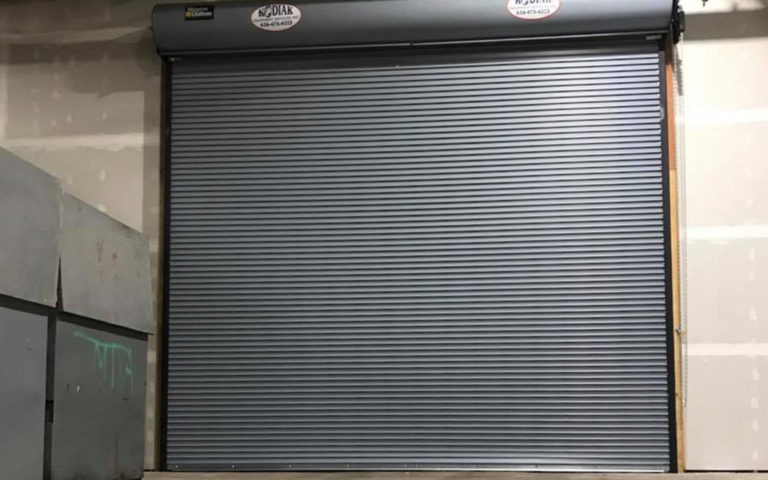

Industrial rolling, commercial roll-up, and rolling steel doors need routine inspection, cleaning, lubrication, calibration, and part replacement. A simple schedule helps prevent emergency repairs, downtime, and safety problems.
Rolling and roll-up door maintenance – the short version
- Industrial rolling doors are also commonly called commercial roll-up doors or rolling steel doors.
- Weekly inspection, regular cleaning, correct lubrication, and annual calibration prevent most avoidable failures.
- High-traffic doors, including hospital doors, may need more frequent checks than low-use doors.
- Waiting until springs, cables, seals, or alignment fail usually costs more than scheduled maintenance.
Industrial rolling doors – also called commercial roll-up doors or rolling steel doors, depending on the model – take on daily wear from constant opening and closing. To keep your facility running, follow these maintenance tips to avoid unplanned repairs.
The goal is simple: catch wear early, keep moving parts clean and lubricated, and schedule professional service before the door fails during a busy shift.
A commercial roll-up door maintenance plan should include routine inspections, debris removal, lubrication, part replacement, and calibration. High-traffic doors should be checked more often.
Key Maintenance Tips for Industrial Rolling Doors
1. Spot Problems Early With Routine Inspections
Inspect your rolling or roll-up doors regularly, at least once a week. Look for visible wear, rust, dents, or misalignment, and listen for unusual noise during operation.
Open and close the door fully during inspections to confirm smooth movement and proper alignment. A quick check can catch a minor issue before it becomes an expensive repair.
2. Keep Your Doors Debris-Free With Regular Cleaning
Dust, dirt, and debris build up on tracks, rollers, and other components over time, causing the door to stick or wear down faster. This matters even more on rolling steel doors, where trapped moisture and debris can accelerate rust.
Keep tracks and surrounding areas clean using a non-corrosive cleaner, then dry components thoroughly. Facilities with heavy dust, grease, or moisture should clean more often.
3. Smooth Operation Starts With Proper Lubrication
Lubricating at the right intervals is one of the most overlooked rolling door maintenance tips. Keeping rollers, bearings, and hinges lubricated reduces friction and wear, keeping operation smooth and quiet.
Follow the manufacturer’s guidelines for lubrication intervals. Under-lubricating and over-lubricating can both create problems.
4. Replace Worn Parts Before They Fail
Even with proper care, some parts wear out over time. Springs, cables, and weather seals need replacement to maintain efficiency and safety. Ignoring worn parts can lead to complete door failure.
Keep a maintenance log to track part replacements and catch recurring issues before they turn into costly repairs.
5. Keep Your Doors Aligned With Regular Calibration
High-performance and high speed doors may need periodic recalibration to stay smooth. Misalignment strains the motor and mechanical parts, leading to premature failure.
Schedule recalibration annually, or more often for doors in high-traffic areas, including facilities like hospitals where a stuck door disrupts operations immediately.
If any rolling or coiling doors are fire-rated, schedule fire door drop testing separately from routine rolling door maintenance so compliance records stay current.
Your Rolling Door Maintenance Checklist: When and What to Inspect
Following a set schedule keeps rolling and roll-up doors working properly for years. A structured plan reduces unexpected breakdowns, extends door lifespan, and helps maintain energy efficiency through proper sealing.
| Maintenance Frequency | What to Check | Why It Matters |
|---|---|---|
| Daily | Visual inspection for obstructions or visible damage | Catches obvious safety issues before operation |
| Weekly | Confirm parts move smoothly and tracks are free of debris | Prevents sticking, noise, and alignment problems |
| Monthly | Lubricate key components and inspect electrical connections | Reduces friction, wear, and control issues |
| Quarterly | Professional inspection, tension adjustment, and safety testing | Finds repair needs before downtime |
| Annually | Recalibrate the system and replace heavily worn components | Keeps high-traffic doors reliable long term |
For a broader look at scheduling maintenance across all dock and door equipment, see Kodiak’s preventative maintenance services.
Costly Maintenance Mistakes That Could Shorten Your Door's Lifespan
Neglecting basic maintenance leads to costly repairs, reduced efficiency, and safety hazards. These are the three problems Kodiak sees most often.
- Premature spring, cable, roller, and bearing wear.
- Rust, debris buildup, and rough door travel.
- Unexpected shutdowns in high-traffic areas.
- Higher repair costs after small problems spread.
- Safety hazards from misalignment or worn parts.
- Lost productivity when a door will not open or close.
1. Neglecting Inspections Can Lead to Expensive Repairs
Skipping regular inspections lets wear go unnoticed until it becomes a costly repair or safety hazard. Set reminders to check doors consistently. If repair is already needed, Kodiak’s warranty and repair team can help.
2. Weather and Conditions Matter
Rolling doors in harsh environments – moisture exposure, extreme temperatures, or corrosive substances – need extra care. Weather-resistant materials and protective coatings extend the lifespan of standard rolling doors and rolling steel doors.
3. Waiting Too Long to Replace Parts Can Shut Down Operations
Waiting until a component fails causes downtime and higher repair costs. Proactively replace worn springs, cables, seals, and related parts to keep the system running smoothly and safely.
Trust Kodiak Equipment for Reliable Rolling Door Maintenance
Kodiak Equipment Services is the trusted partner for businesses in the St. Louis area for maintaining industrial rolling and roll-up doors. Our team services industrial doors so they stay safe, efficient, and reliable.
Partnering with Kodiak means:
- 24/7 support for emergency repairs and maintenance.
- Access to high-quality replacement parts for long-lasting performance.
- Professional inspections and recalibrations to optimize system efficiency.
- Custom maintenance plans tailored to your facility’s needs.
If you are still weighing options, read Kodiak’s guide to choosing a high-performance rolling door and the comparison of rolling doors vs. traditional doors.
If your facility also relies on dock levelers or vehicle restraints, see Kodiak’s guides to dock leveler maintenance and truck restraint maintenance.
Ready to Schedule Rolling Door Maintenance?
Fill out the quick form below for rolling door maintenance, commercial roll-up door repair, or industrial door service recommendations.
"*" indicates required fields
“Rolling door maintenance is not complicated, but it has to be consistent. Most expensive repairs start as visible wear, debris buildup, poor lubrication, or alignment drift.”
Kodiak Equipment Services helps facilities maintain, repair, and replace high-performance rolling doors, roll-up doors, and rolling steel doors. Explore high-performance rolling doors or request a facility review.